
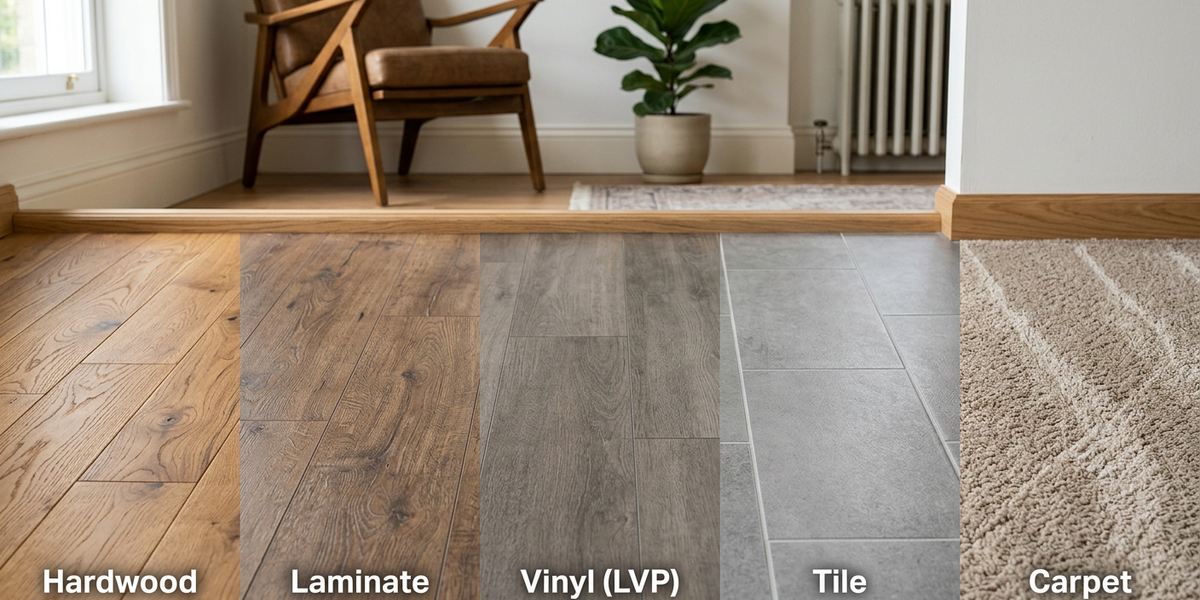
Flooring shapes how a space feels underfoot, how it handles noise, and how much upkeep it demands. It also affects durability, style, and resale appeal. The types of flooring for various areas of a home matter because a kitchen, bathroom, bedroom, and basement each face different conditions.
Homeowners, condo owners, and business owners across the GTA need choices that fit daily life, not only a showroom sample. With more than 16 years of renovation experience, UPPERAVENUE Construction Inc. helps clients plan flooring that suits the room, the building, and the renovation budget.
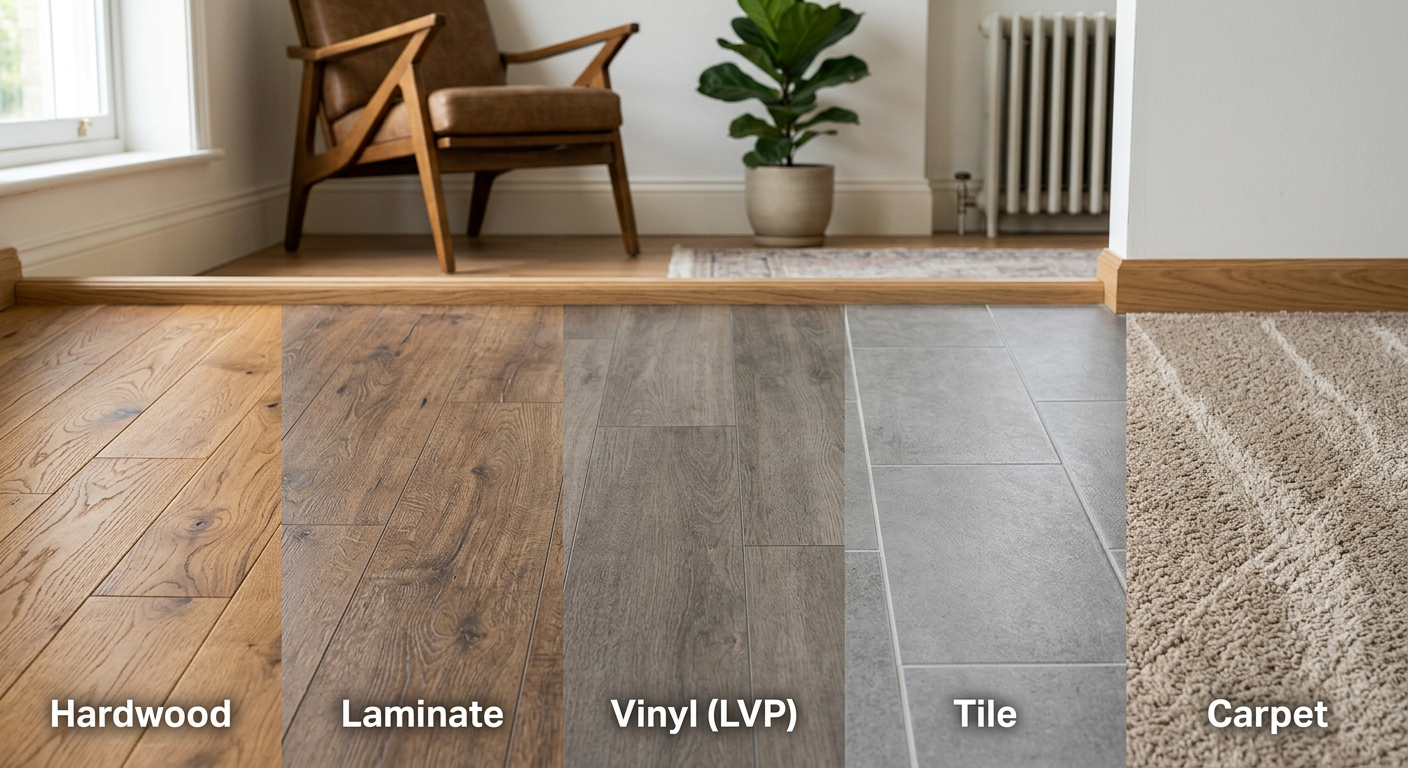
Types of Flooring for Various Areas of a Home: Room-by-Room Choices
The best flooring depends on moisture, foot traffic, cleaning habits, comfort, and the room’s purpose. A surface that works beautifully in a bedroom may fail near a wet entryway.
Match the LKitchens need durable flooring for spills and trafficayout to Your Room’s Size and Shape
Luxury vinyl plank, porcelain tile, and ceramic tile all suit busy kitchens. LVP feels warmer and quieter than tile, wipes clean easily, and often costs less. However, heavy furniture can dent lower-quality vinyl.
Tile handles water, dropped utensils, and frequent mopping well. Still, it can feel hard and cold when you’re standing at the counter. Engineered hardwood adds warmth, yet it needs prompt spill cleanup and careful product selection.
Bathrooms and entryways benefit from water-resistant surfaces
Porcelain tile, ceramic tile, and water-resistant vinyl are reliable bathroom choices. Their sealed surfaces stand up to splashes, humidity, and regular cleaning.
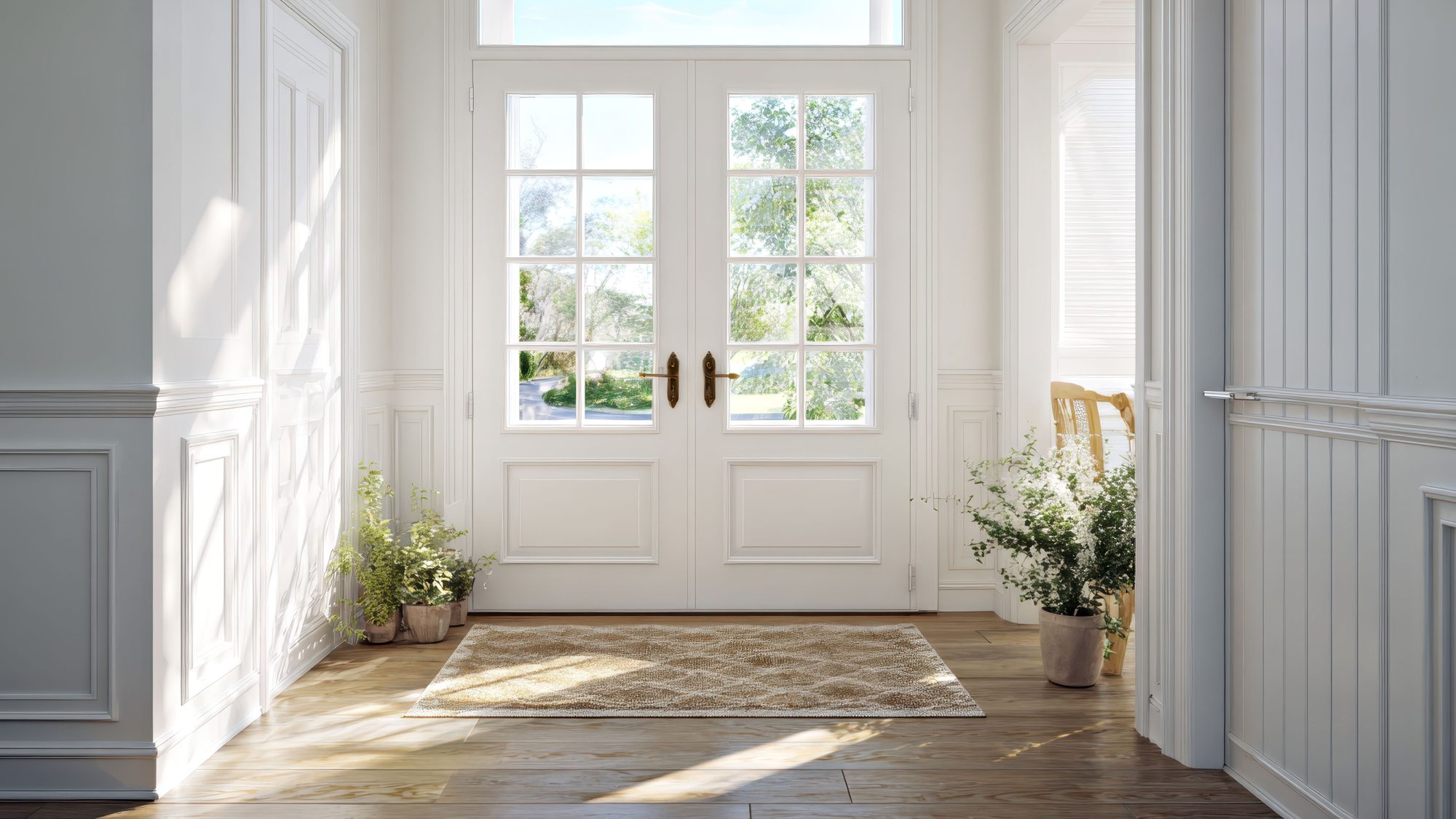
Toronto winters make foyers and mudrooms tougher on floors. Salt, snow, grit, and melting ice can damage wood finishes. Tile and LVP usually hold up better than hardwood where wet boots land.
Basements need flooring that can cope with moisture
Basements need a moisture-tolerant surface, even when the room looks dry. LVP and sheet vinyl are practical choices because they handle occasional dampness better than wood-based products.
Solid hardwood is usually a poor basement choice. Carpet only makes sense when moisture risks are controlled and the slab or subfloor has been checked first.
Living rooms and bedrooms balance warmth and comfort
Engineered hardwood gives dry living areas a polished, upscale look with greater dimensional stability than solid wood. Laminate and LVP offer lower-cost alternatives with many convincing wood-look finishes.
For bedrooms, carpet adds softness and reduces footstep noise. Matching adjacent rooms can make a smaller home feel more connected, although a material change is sensible where moisture increases.
An L-shaped kitchen uses two connected walls and leaves the centre open. In an open concept kitchen, this can separate cooking from nearby dining and living spaces without closing off the room.
Condo flooring must meet building rules
Before ordering materials, condo owners should review their corporation’s renovation rules. Many buildings require an acoustic underlay, approval documents, elevator bookings, and limits on work hours.
Engineered hardwood, laminate, LVP, carpet, and tile can all work in condos. However, the product and installation system must meet the building’s sound requirements. Review a condo underlayment guide before selecting a floating floor.
A floor can meet a manufacturer’s installation requirements and still fail a condo corporation’s acoustic standard.
Compare Popular Flooring Materials Before You Commit
The main types of flooring for various areas of a home each bring clear strengths and limits. Price, appearance, and performance should all influence the final decision.
| Flooring material | Best locations | Main advantage | Main limitation |
| Luxury vinyl plank | Kitchens, basements, entries | Water-resistant and comfortable | Can dent under heavy loads |
| Laminate | Bedrooms, living rooms | Affordable wood-look finish | Poor fit for wet areas |
| Engineered hardwood | Dry main floors | Premium appearance and stability | Needs moisture control |
| Solid hardwood | Dry living spaces | Can often be refinished | Sensitive to moisture |
| Tile | Bathrooms, entries, kitchens | Highly water-resistant | Hard and cold underfoot |
| Carpet | Bedrooms and select condos | Soft and quiet | Holds stains and moisture |
The right material is the one that performs well where you install it, not the one with the highest price tag.
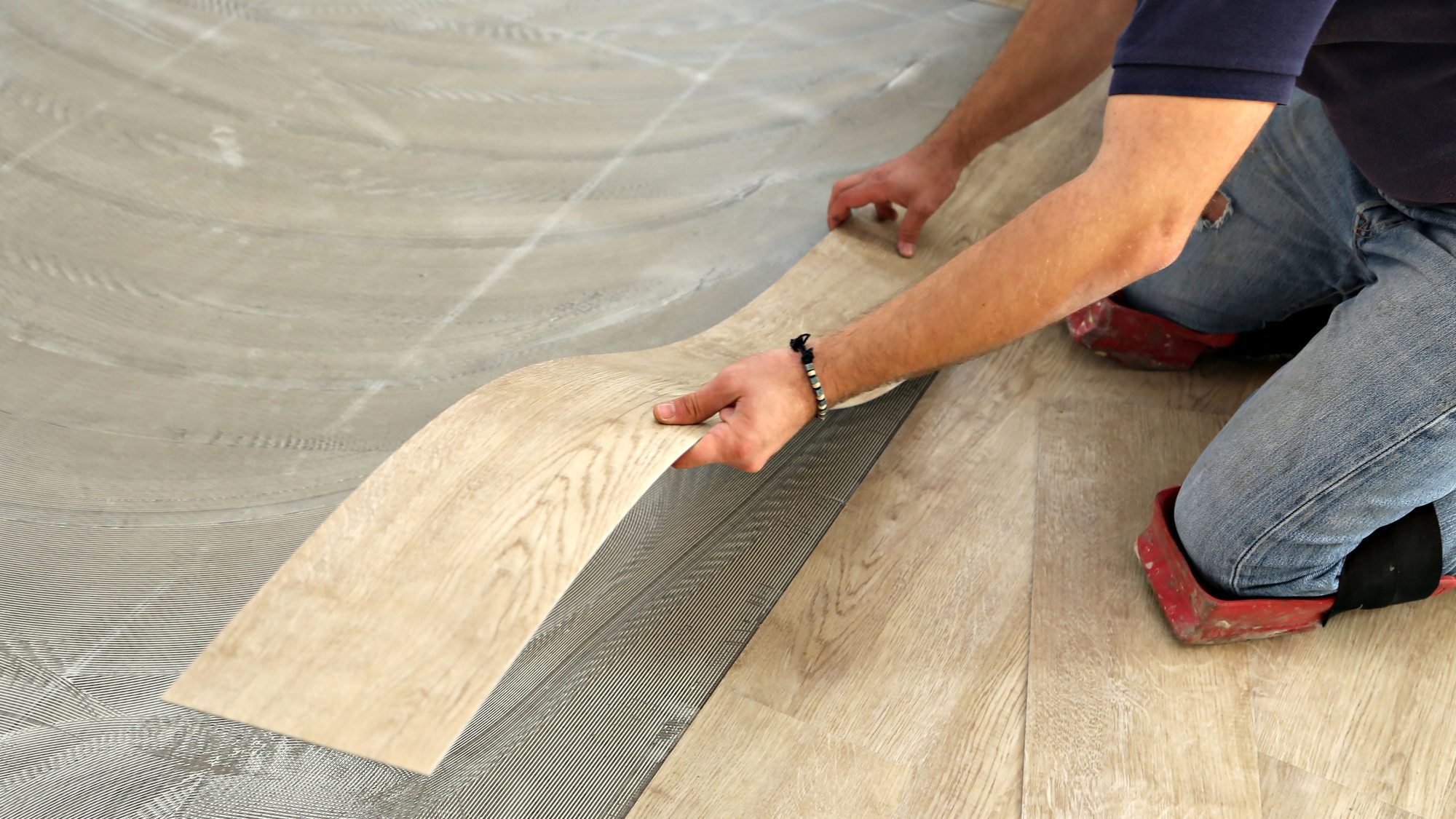
Luxury vinyl plank offers practical value for busy homes
LVP is popular in GTA renovations because it is durable, easy to clean, and gentler underfoot than tile. It works especially well in kitchens, entries, and finished basements.
Quality varies widely, so look beyond colour alone. Wear-layer thickness, core construction, warranty terms, and subfloor preparation all affect how the floor performs.
Laminate delivers a lower-cost look for dry rooms
Laminate can give living rooms and bedrooms the appearance of wood at a lower installed cost. It resists everyday scuffs well and needs little more than regular sweeping and a damp mop.
However, laminate is less moisture-tolerant than vinyl or tile. It is not the first choice for bathrooms, laundry rooms, or basements with unresolved dampness.
Engineered and solid hardwood create a premium finish
Engineered hardwood has a real wood surface over layered construction. That structure makes it more stable than solid hardwood when indoor humidity changes through the year.
Solid hardwood offers a traditional appearance and may allow more refinishing over its life. Yet both options need dry conditions, proper acclimatization, and careful protection from standing water.
Tile and carpet solve different needs
Porcelain and ceramic tile suit wet, hard-working areas. Porcelain is especially dense and moisture-resistant, although installation takes more labour and a stable subfloor.
Carpet gives bedrooms warmth and helps control sound in condo suites. On the other hand, it is a weaker choice near spills, pet accidents, and tracked-in slush.
Plan Flooring Around Daily Life, Not Only Colour
Colour matters, but it should come after practical questions. Look at how the room is used, who uses it, and what lies beneath the current floor.

Start with moisture, traffic, pets, and routines
A household with children, pets, and frequent visitors needs scratch-resistant, easy-clean surfaces. LVP, tile, and durable laminate often make more sense than delicate finishes in active areas.
Meanwhile, bedrooms and media rooms may benefit from quieter, softer flooring. Consider footwear, pet nails, rolling chairs, furniture weight, and how often the floor gets wet.n for installation limits, structural concerns, and code requirements. A broader kitchen renovation permit checklist can also help you prepare questions for your local authority.
Check the subfloor, floor height, and existing materials
Uneven subfloors, water damage, squeaks, old adhesive, and cracked tile can change the scope quickly. Floating floors need a flat base, while tile needs a rigid surface that will not flex.
Removal, levelling, underlay, baseboards, transitions, and door clearances also affect the finished result. A thorough flooring underlayment overview can help clarify how sound control and moisture barriers fit into the plan.
Plan colour, plank direction, and room-to-room flow
Wide planks can make an open room feel calmer, while plank direction can guide the eye through connected spaces. Grout colour also changes tile’s overall look, either emphasizing each tile or creating a quieter field.
Use consistent tones through adjoining dry rooms when possible. Then shift to tile or vinyl in bathrooms, entrances, and other spaces where function calls for it.
Understand Toronto-area flooring costs in 2026
Most GTA flooring projects fall around $5 to $18 per square foot installed, although the wider market can run from roughly $3 to $25 or more. Material quality, room size, removal, floor preparation, and installation complexity drive the final price.
| Material | Typical installed planning range, CAD |
| Laminate | $3 to $8 per sq. ft. |
| Luxury vinyl plank | $5 to $10 per sq. ft. |
| Engineered hardwood | $8 to $15 per sq. ft. |
| Solid hardwood | $9 to $16 per sq. ft. |
| Tile | $10 to $20 per sq. ft. |
| Carpet | $4 to $12 per sq. ft. |
These are planning figures, not a quote. Subfloor repairs, custom patterns, stairs, premium materials, and furniture moving can add substantially to the total.
Create a Connected Look Without Forcing One Material Everywhere
A whole-home renovation does not require the same floor in every room. Instead, aim for materials and colours that work together while respecting each space’s needs.
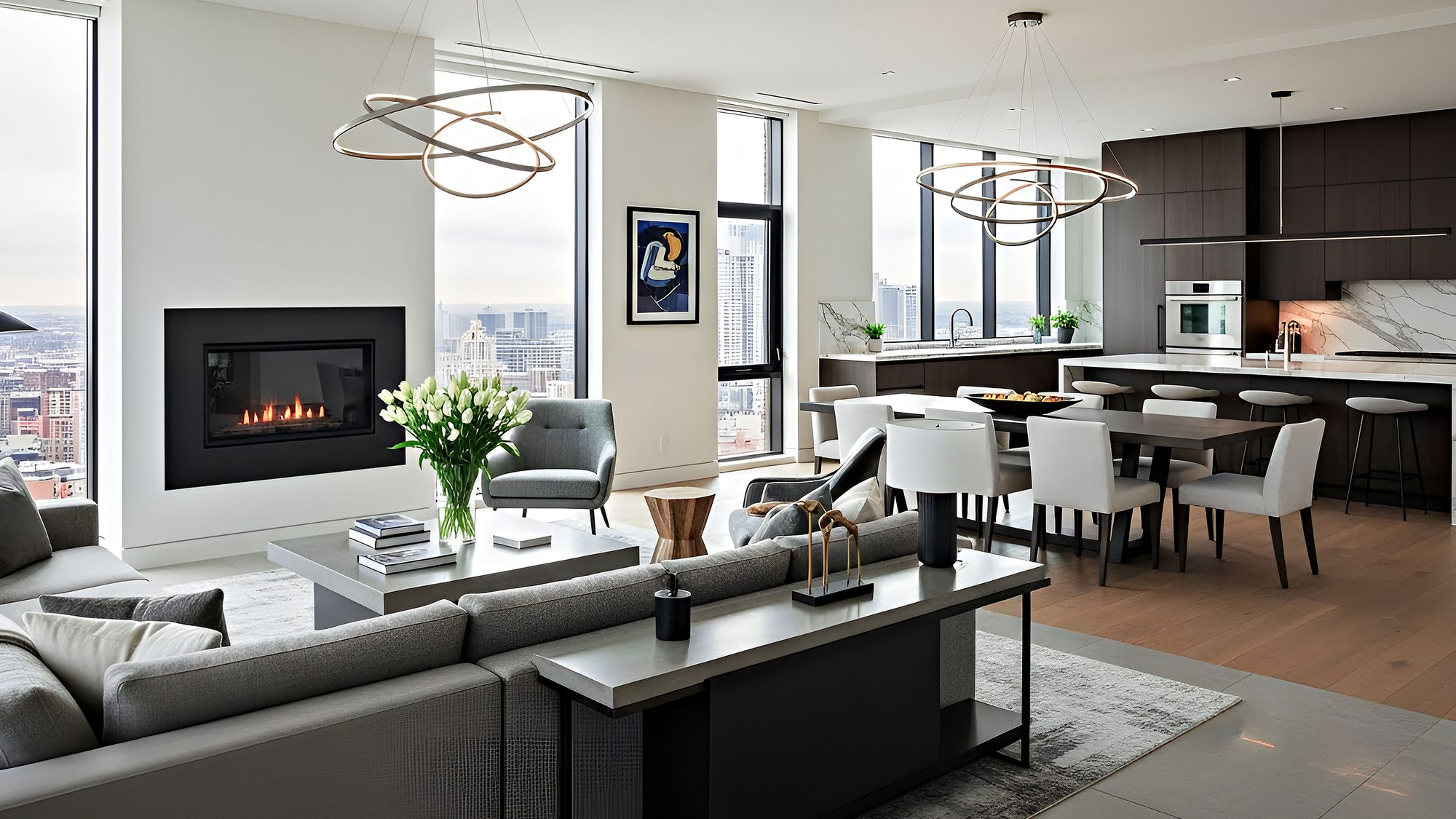
Use transitions that look intentional
A poorly planned transition can make a renovated home feel unfinished. The change between hardwood and tile should fall at a logical point, such as a doorway, island edge, or room boundary.
Thresholds also need to account for different floor heights. This matters near patio doors, stair landings, bathrooms, and condo entry doors.
Treat acoustic performance as part of the material choice
In multi-unit buildings, impact noise can be as important as colour or durability. An acoustic underlay is often needed beneath hard flooring, but its rating must match the exact assembly and condo rule.
Condo flooring sound guidance explains why an underlay’s test details matter. In addition, soundproofing tips for condo flooring point to the need for manufacturer documentation.
The right layout balances your room’s dimensions with how your household cooks, stores food, gathers, and moves. Photos can inspire ideas, but accurate measurements and daily routines should guide the final plan.
A Professional Flooring Plan Helps Prevent Costly Mistakes
Flooring installation affects cabinetry, toilets, appliances, stairs, doors, trim, and wall finishes. When it is part of a kitchen, bathroom, basement, condo, or whole-home renovation, planning prevents expensive rework.
What to expect from a complete flooring installation
A complete project usually begins with a consultation, measurements, and product selection. Next come site protection, old-floor removal, subfloor inspection, preparation, installation, trim work, transitions, cleanup, and a final walkthrough.
The scope changes when flooring connects to plumbing, cabinetry, stairs, or structural repairs. Accurate measurements also allow for appropriate waste allowance, especially with patterned tile or natural wood planks.
Why GTA homeowners choose UPPERAVENUE Construction Inc.
UPPERAVENUE Construction Inc. brings more than 16 years of renovation experience to projects across the GTA. The team supports homeowners, condo owners, and business owners with design, planning, permits, project management, construction, finishing, and post-renovation support.
Clear communication and attention to detail matter at every stage. A well-planned flooring choice can improve daily use, support property value, and complement the rest of a custom renovation.
Choose Flooring for the Way Your Space Is Used
The best types of flooring for various areas of a home reflect the room’s moisture level, traffic, comfort needs, building rules, style, and budget. Tile and vinyl often suit wet or high-traffic spaces, while hardwood, engineered hardwood, laminate, and carpet can work well in dry living areas and bedrooms.
Before ordering materials or starting demolition, discuss your flooring goals with UPPERAVENUE Construction Inc. A project assessment can match the right surface to your space and renovation plans.
Ready to transform your space? Book a consultation with UPPERAVENUE Construction Inc. today by e-mailing info@upperavenueconstruction.ca or call us directly to start the conversation. to request a free quotation for your new flooring,