

Once renovation work and post-construction cleaning are complete, your newly renovated home needs care as everyday life returns. Spills, shower steam, winter boots, and small leaks can affect new finishes before wear becomes obvious. Fine drywall dust can also resettle shortly after cleaning.
For homeowners in the GTA, practical care guidance helps protect that investment through simple checks and regular care. Care needs differ after a small interior renovation and full-house renovations. UPPERAVENUE Construction Inc. is a Toronto-area renovation contractor and a local resource for questions about looking after completed work.
Start with your project documents, then build a routine that fits your materials, rooms, and Toronto-area weather.

Key Takeaways
- Keep project documents, product details, warranties, receipts, and repair records together so they’re easy to find when needed.
- Follow each manufacturer’s care instructions, use approved cleaning products, and allow new paint, grout, or sealant to cure as directed.
- Check kitchens, bathrooms, and finished basements for leaks, moisture, and changes in fixtures or finishes as part of everyday routines.
- Adjust seasonal checks for GTA weather, including winter salt, freeze-thaw cycles, and spring rain; keep entryways and drainage paths clear.
- Contact your renovation team or a qualified trade about recurring leaks, unusual movement, electrical concerns, or other worsening issues.
After renovation tips for homeowners in the GTA to protect a new space
Two floors can look alike yet require different cleaning methods. The same goes for countertops, cabinet finishes, grout, and fixtures.
Before cleaning or adjusting anything, review the manufacturer’s product guide and your contractor’s care instructions. If anything seems unclear or contradictory, ask your renovation team before proceeding.
Keep a simple record of finishes, warranties, and repairs
Save appliance manuals, paint colours, countertop specifications, flooring details, warranty documents, permits, and contractor contacts in one folder for your interior renovation. Include project planning notes, building permits, and records from the demolition phase and design development. Save details of structural changes, final inspection documents, flooring installation, plumbing upgrades, and electrical wiring, along with approved drawings and related inspection notes for structural changes. A digital copy makes these records easier to find when you’re away from home.
Record when the renovation was completed, and keep purchase receipts and service invoices. After a repair, add its date, the work performed, and the person or company who completed it.
For paint, save the brand, colour code, and sheen. Likewise, keep flooring and tile product numbers where available. These details help when ordering replacements, especially if material availability changes, although later batches may not match perfectly.
Clean new surfaces with the right products
Use manufacturer-approved cleaners and soft cloths. Don’t assume a product labelled “all-purpose” is suitable for every surface in your home.
Avoid abrasive pads, harsh chemicals, excess water on wood, and unapproved sealants. These can damage finishes or affect warranty coverage. Stone, quartz, ceramic, and wood each have their own care requirements.
For initial post-renovation cleaning, follow product and flooring instructions, and use the tile maker’s approved removal method for grout haze. Remaining drywall dust can resettle, while grout haze, paint splatters, or debris may need careful post-construction cleaning and debris removal. Use HEPA vacuums only if the flooring guidance allows, and avoid aggressive methods on new finishes.
Follow cleaner labels, ventilate as directed, and never mix cleaning chemicals. Health Canada’s Healthy Home Guide includes household chemical safety guidance.
Also, check whether fresh paint, grout, or sealant needs curing time before washing or heavy use. Follow the instructions for the actual product installed.
Build an easy maintenance routine for kitchens, bathrooms, and basements
The most useful checks fit into activities you already do. While cleaning or putting things away, look for moisture, loose hardware, and changes in how fixtures operate.

Keep kitchen cabinets, counters, and appliances in good shape
After post-construction cleaning, use gentle daily care to protect newly finished surfaces. In the first weeks after an interior renovation, wipe surfaces regularly to clear lingering drywall dust.
During post-renovation cleaning and routine upkeep, wipe spills promptly, especially around countertop seams, cabinet edges, and the sink.
Use cutting boards and trivets rather than testing a new counter’s resistance to knives or hot cookware. When organizing kitchen items, keep plumbing connections visible and easy to check.
Notice whether cabinet doors sit evenly and drawers open smoothly. Take care when cleaning custom cabinetry, and follow the care instructions before adjusting unfamiliar hardware.
Clean appliance filters according to their manuals. After renovation work, inspect them for debris, including drywall dust. Dishwasher filters and range hood filters need different care, so don’t use one method for both.
While tidying, check beneath the sink and around the dishwasher for drips, dampness, swollen panels, or staining.
Control moisture in bathrooms and finished basements
Run bathroom fans during showers and afterward to remove lingering moisture. Keep the HVAC system maintained according to its instructions to support good air circulation. Check caulking and grout for gaps, deterioration, or changes in appearance. Don’t cover recurring dampness with another layer of sealant.
If you notice grout haze, don’t scrub it aggressively. Follow the tile or grout maker’s care instructions.
Health Canada’s moisture and mould guidance recommends indoor relative humidity between 30% and 50%. A hygrometer helps you track conditions, especially in a finished basement.
If the basement is damp, use a dehumidifier when needed and maintain it according to its instructions. Keep floor drains free of debris and accessible.
Persistent musty odours, stains, or water entry need prompt investigation. A dehumidifier can reduce airborne moisture, but it won’t repair a leak or drainage problem.
Adjust home maintenance for GTA seasons and local conditions
Toronto-area homes face freeze-thaw cycles, winter salt, spring rain, and humid summer weather. However, a sheltered condo entrance and an exposed detached home won’t need identical checks.
Use weather events and your home’s condition to guide inspections, alongside product-specific maintenance instructions.
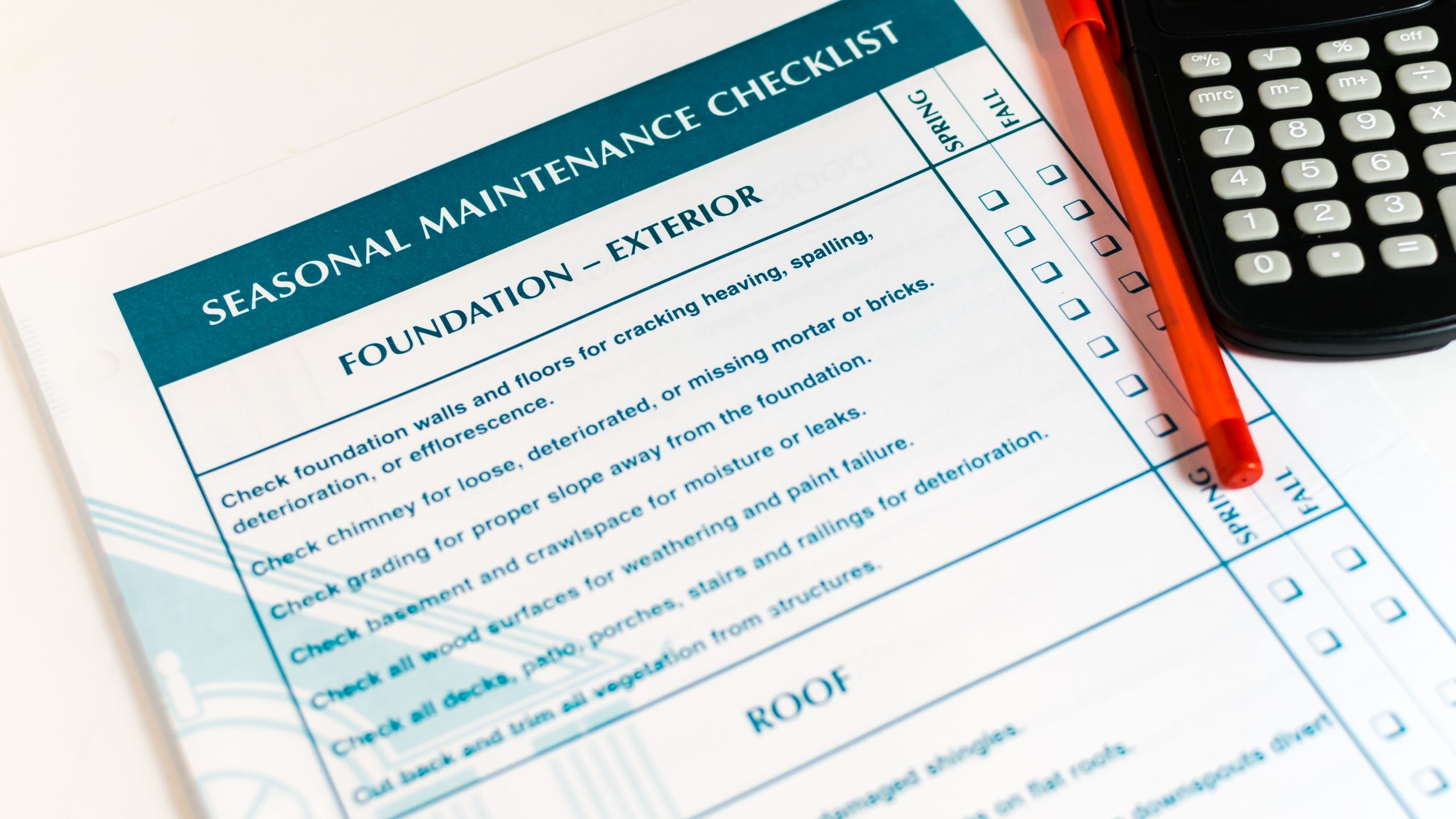
Check exterior doors, windows, and drainage through the year
Look for drafts, damaged weatherstripping, and windows or doors that no longer close properly. Check after major weather changes, especially if you notice condensation or dampness nearby.
Inspect visible drainage after heavy rain or snowmelt. Blocked eavestroughs, overflowing gutters, and water pooling beside the foundation deserve attention. Keep drainage paths open, and arrange professional help for roof-height work rather than taking unnecessary ladder risks.
Clear snow and ice safely without chipping at new thresholds or damaging seals. For indoor window condensation, review humidity, ventilation, and your HVAC system alongside the window’s condition. Natural Resources Canada’s home operation guidance explains the relationship between moisture balance and ventilation.
Protect floors and entryways from winter salt and grit
A quote only helps when it reflects the full scope of a home renovation. The cheapest proposal may leave out design work, demolition, disposal, site protection, fixtures, appliances, permit support, taxes, or supervision. A low price doesn’t necessarily represent better value or quality workmanship.
Compare written scopes line by line. Transparent pricing requires visible allowances, exclusions, taxes, and change-order terms. Renovation pricing varies widely across Toronto because property condition, materials, access, labour needs, and project complexity affect the total.
After post-renovation cleaning, continue routine seasonal floor care. If an interior renovation added new flooring or changed an entry area, choose suitable mats for wet boots. Check that the backing suits your flooring. Follow the care instructions provided after flooring installation, since some mat materials can stain or discolour certain finishes.
If residue remains, use the flooring maker’s recommended method to remove drywall dust or grout haze. Sweep or vacuum grit regularly with approved attachments, using HEPA vacuums only if the flooring guidance permits them. Small particles can scratch surfaces as people walk over them.
Clean salt marks promptly with the flooring maker’s recommended method. Avoid soaking wood or allowing water to collect along joints and edges.
Also, lift mats periodically to check underneath. A mat that catches slush can hold moisture against the floor, so dry both surfaces before putting it back.
Set a maintenance rhythm you can keep

A useful routine depends on your household, not a universal calendar. A busy kitchen, frequently used shower, and rarely used basement have different demands.
Turn handover instructions and product manuals into a concise home renovation checklist, with recurring tasks such as post-renovation cleaning in a cleaning checklist. Tailor both to the interior renovation work completed, and adjust them when you notice wear or changing conditions. Set aside a practical allowance for routine upkeep as part of your budget planning.
Use reminders that match your home
Enter the maintenance intervals from appliance and product manuals into your calendar. Include the product name and relevant instruction, so you won’t need to search for the same information each time. For post-project filter or cleaning reminders, include a check for settled drywall dust.
For checks without a stated interval, connect them to ordinary activities. Looking beneath the sink when putting away cleaning supplies is easier to remember than adding another separate chore.
If several people share the home, agree on who handles each task. Otherwise, everyone may assume someone else cleaned a filter or reported a drip.
Keep reminders short and realistic. Manageable habits are easier to follow than a long list you rarely open.
Keep shutoffs and service access clear
Ask your renovation team to identify water shutoffs and explain which fixtures they control. Don’t force a valve that feels stuck; have a qualified plumber assess it.
Choose storage solutions that keep access panels, floor drains, and appliance service areas clear. Avoid storing boxes in front of equipment that may need inspection or repair.
In a condo, keep building management’s contact information with your project records. A concern involving shared plumbing or common building components may need coordination beyond your renovation contractor.
Review these arrangements when your storage layout changes. New shelving or furniture shouldn’t make an important connection inaccessible when someone needs to investigate a problem.
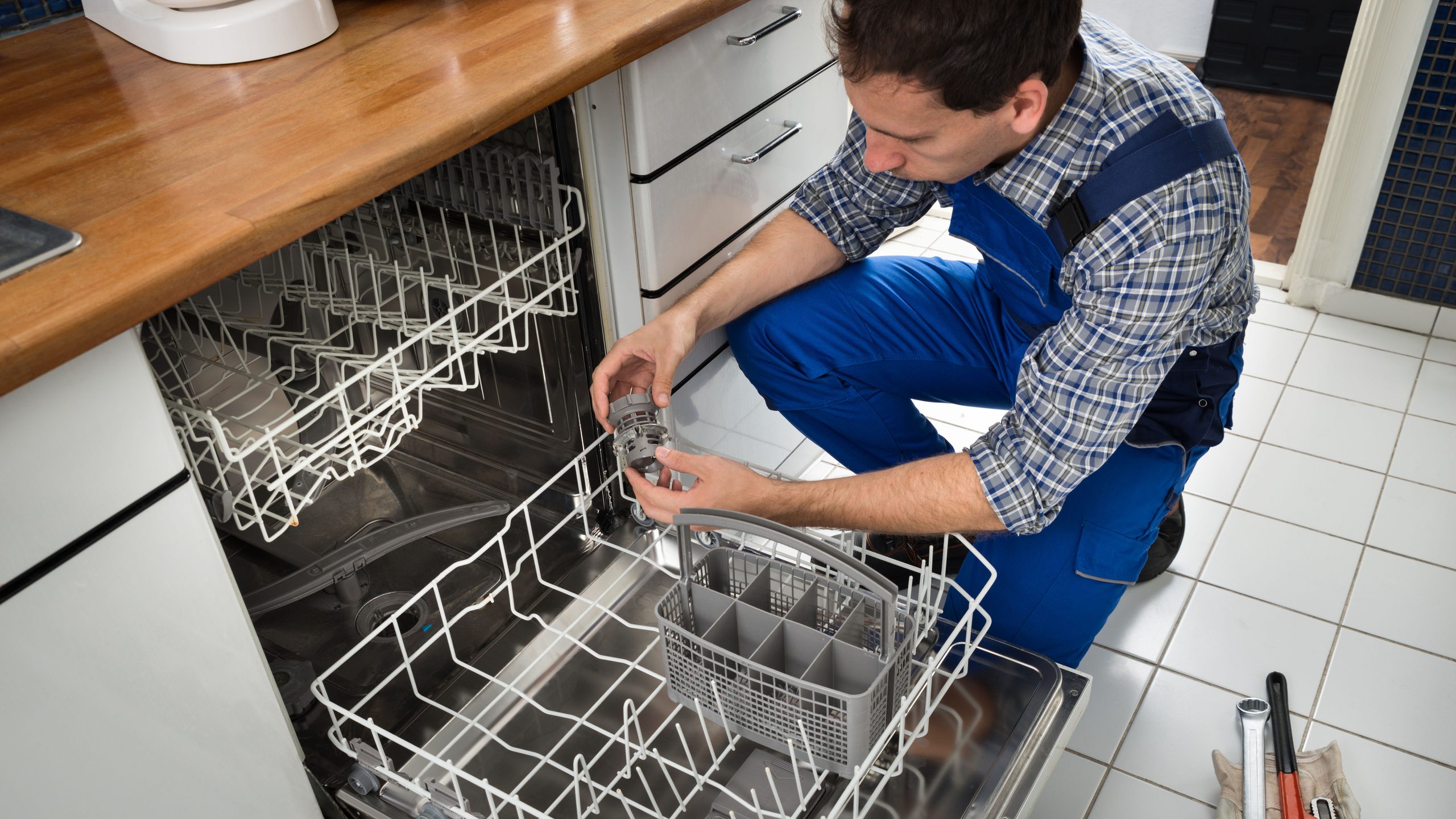
Know when a post-renovation issue needs professional attention
Routine cleaning and observation are part of homeownership. However, recurring symptoms, sudden changes, or safety concerns need professional assessment.
Document what you notice, but don’t delay urgent action while collecting photographs or searching through warranty paperwork.
Watch for leaks, unusual movement, and changes in finishes
Recurring damp spots, loose tiles, doors that suddenly stick, and widening cracks are reasons to contact your contractor or a qualified trade. These signs don’t establish a cause on their own.
Also, report repeated breaker trips, concerns about electrical wiring, or ventilation that doesn’t seem to remove moisture. Don’t repeatedly reset a breaker without investigating the problem.
Health Canada’s ventilation and indoor environment guidance explains how ventilation helps control indoor moisture and pollutants.
Take dated photos showing both the affected area and its surroundings. Record when the issue first appeared, including whether it began during or after the interior renovation. Note whether it follows rain, appliance use, or showers.
A dated photo can show how a stain or crack changes. It can’t confirm the cause or establish warranty coverage.
Use your handover notes and contact your renovation team
Check your final inspection and handover records, including drawings of structural changes, for care guidance, warranty terms, and reporting instructions. Coverage depends on the project agreement and product warranties, and replacement products or parts may depend on material availability.
For recurring, worsening, or safety-related concerns, contact your renovation team or other professional contractors with relevant expertise. Identify the room, affected material or fixture, and when you first noticed the issue. Include photos and explain whether it is recurring or getting worse.
For non-urgent repairs, ask for an estimate to support budget planning before authorizing work. For questions about completed work, UPPERAVENUE Construction Inc. is a local resource for post-renovation support. Ask whether the concern needs a site visit or assessment by a qualified trade.
Avoid dismantling fixtures or making cosmetic repairs before receiving guidance. Covering a stain or adjusting hardware can make the original condition harder to assess.

Frequently Asked Questions
How soon can I clean newly renovated surfaces?
After an interior renovation, check the care instructions for each product, including curing times for paint, grout, and sealant. For drywall dust or grout haze, use manufacturer-approved cleaners and methods. Avoid aggressive cleaning that could damage new finishes.
How often should I check my renovated home for problems?
There isn’t one schedule that suits every home. Use product and appliance manuals for maintenance intervals, and connect other checks, such as looking under the sink, to regular household activities.
What should I do if I notice a leak, stain, or crack?
Record when you noticed it and take dated photos, including the surrounding area. Contact your renovation team or a qualified trade if the issue recurs, worsens, or raises a safety concern; don’t delay urgent action to gather records.
How can I protect new floors during a GTA winter?
Use suitable entry mats, sweep or vacuum grit regularly with approved attachments, and clean salt marks using the flooring maker’s recommended method. Lift mats periodically and dry both the mat and floor if moisture has collected underneath.
Keep your renovated home working as intended
New finishes and systems benefit from straightforward care that suits their materials and everyday use. Consistency helps you notice small changes before they become harder to address.
These after renovation tips start with product instructions and a clear maintenance record. Adjust your checks to GTA weather, and ask for professional help when moisture, movement, or electrical concerns persist.
If you’re unsure how to care for completed work, contact UPPERAVENUE Construction Inc. for guidance. A few informed habits can help your renovated space keep looking and working its best.
Ultimately, protecting a renovated home comes down to informed care, consistent maintenance, and prompt attention when concerns arise. Homeowners who choose UPPERAVENUE Construction Inc. gain a Toronto-area renovation partner that understands local conditions, provides practical guidance, and remains a dependable resource after the work is complete—helping each renovated space continue to look and perform as intended.
Contact UPPERAVENUE Construction Inc. today to book a consultation and learn about all of the renovation follow-up tips.