
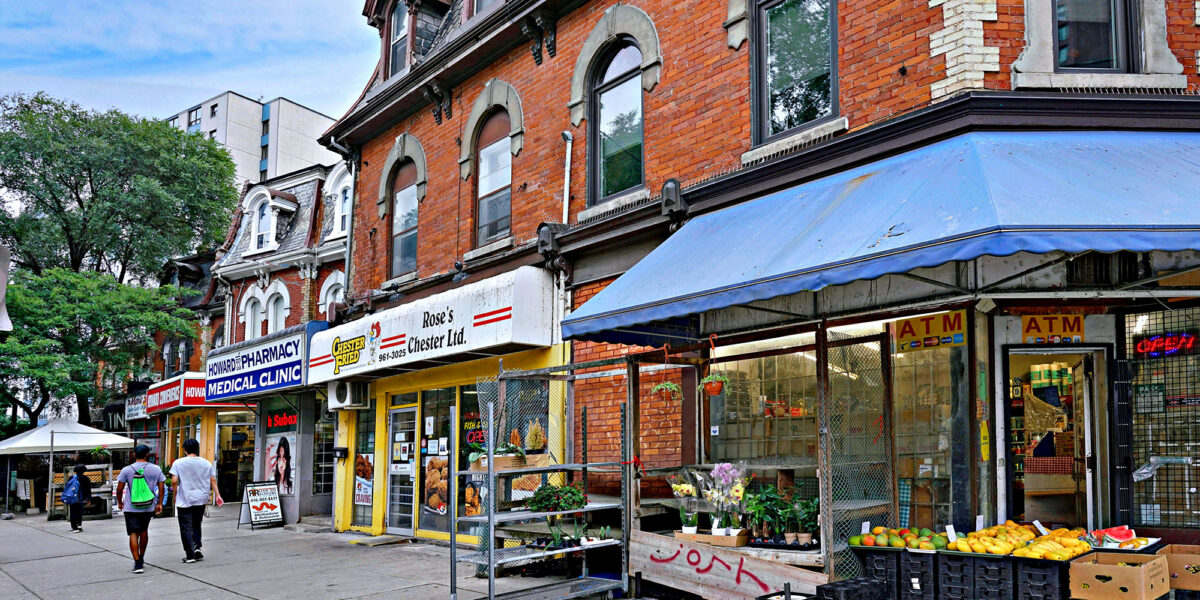
Overcoming Challenges in Renovating Toronto and Area’s Heritage Buildings
UPPERAVENUE Construction Inc. has explored the complexities and considerations involved in renovating heritage buildings in Toronto and the surrounding area starting from regulatory challenges to balancing preservation with modern needs.
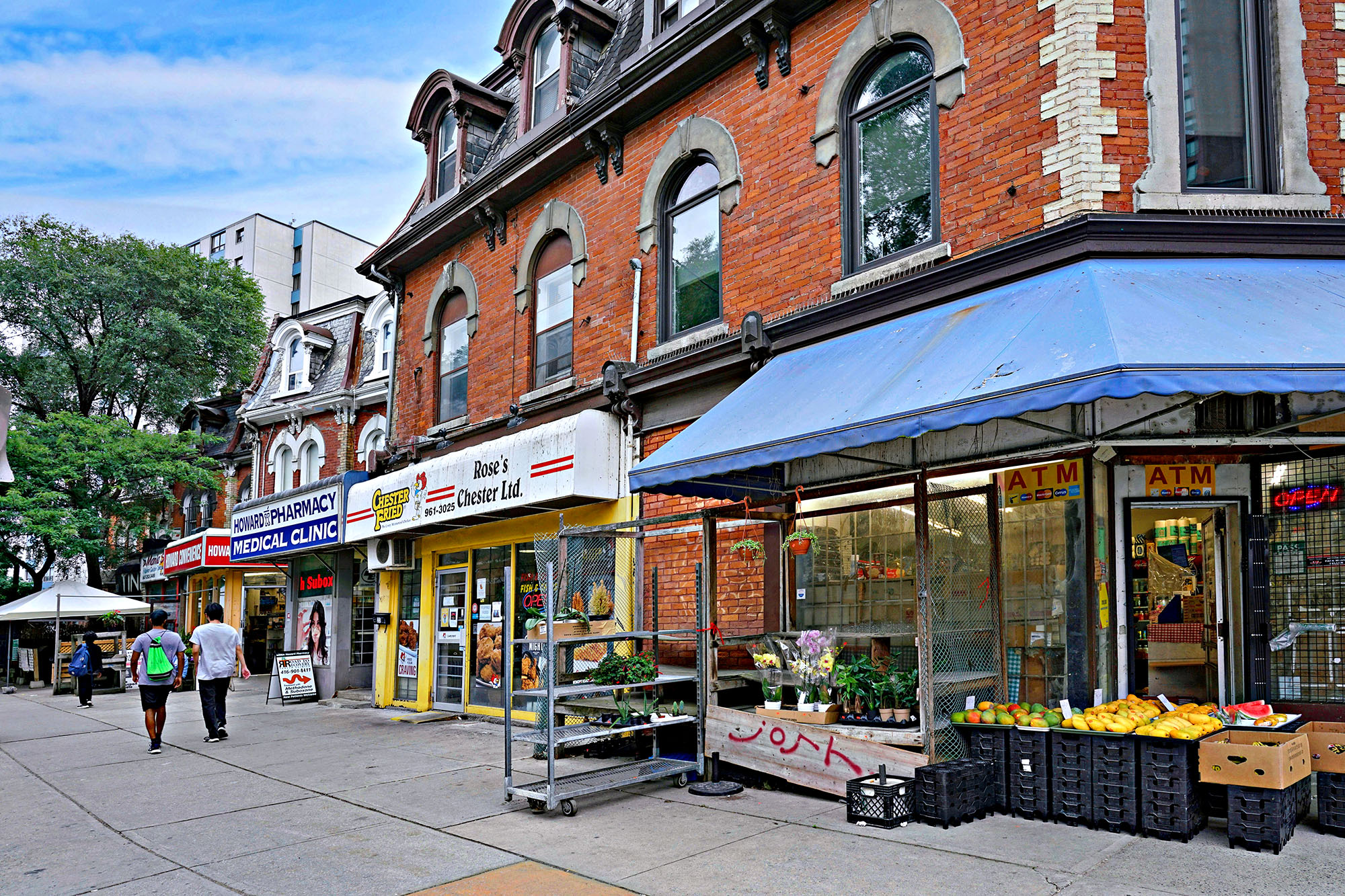
Overview of Challenges in Renovating Heritage Buildings
Renovating heritage buildings in Toronto and area presents a myriad of challenges that stem from the need to preserve cultural significance while accommodating modern needs. These buildings are not only architectural treasures but also integral parts of the community’s history, making their renovation a matter of public interest. The complexities of these projects often arise from the necessity to navigate regulatory compliance and preservation efforts, which can complicate the renovation process. For instance, a historic church may require significant modifications to accommodate modern safety standards, yet the alterations must not detract from its historical appearance and significance.
Public interest and community engagement play vital roles in the success of heritage renovation projects. When communities are actively involved, they can provide support and funding, ensuring that the renovation respects the building’s historical context. For example, the renovation of the St. Lawrence Market in Toronto involved extensive community engagement, leading to a project that preserved the market’s historical elements while modernizing its facilities for contemporary use.
UPPERAVENUE Construction Inc. has learned a great deal about heritage building renovations and should you require assistance with planning one of these renovations, please contact us for some expert advice before jumping into one of these renovations,
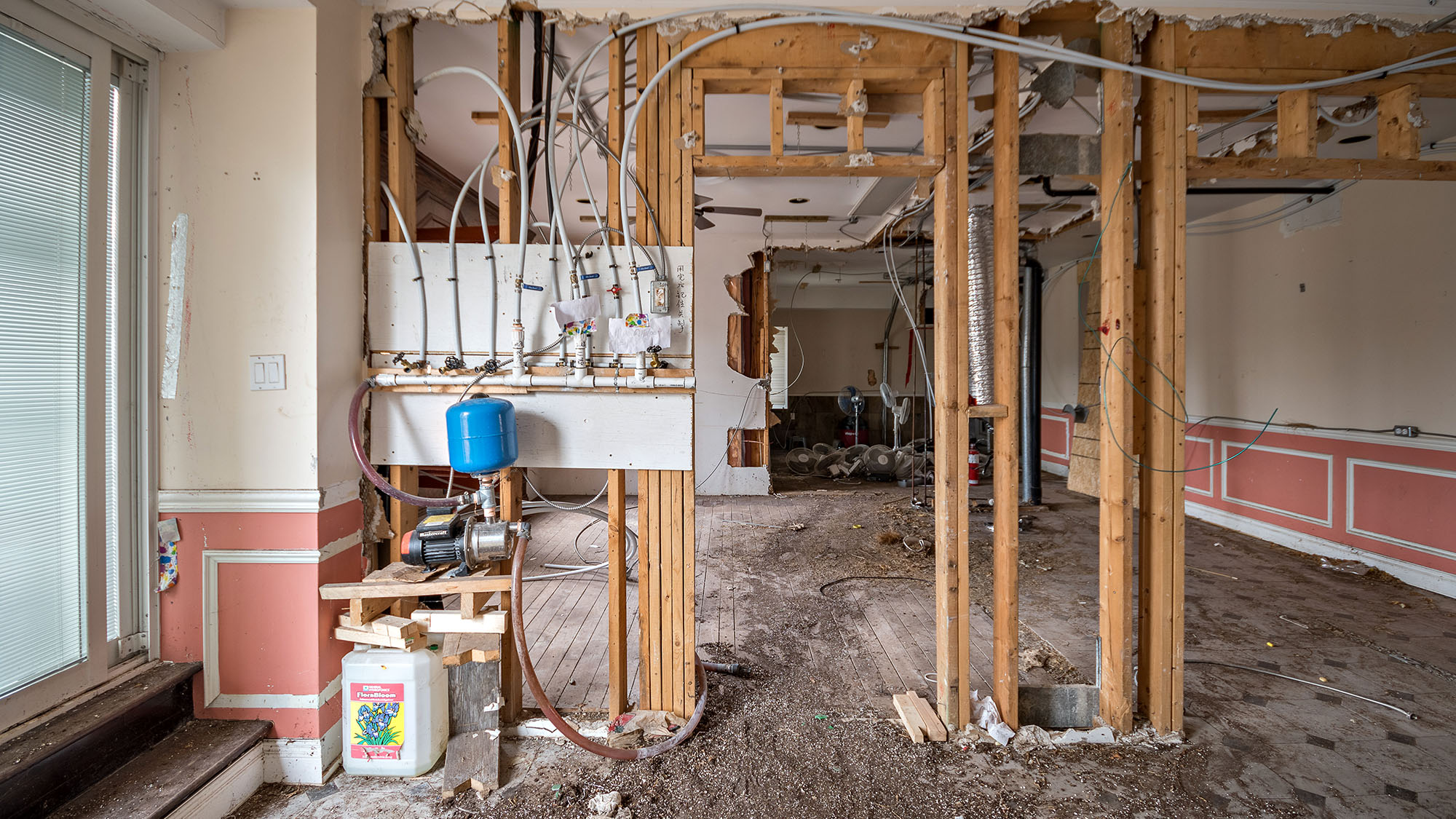
Understanding Heritage Regulations
Heritage laws in Toronto and area impose strict regulations that restrict alterations to historic buildings, ensuring their cultural significance is preserved. This often requires extensive documentation and approvals from heritage bodies, which can prolong the renovation process and increase costs. For example, a building designated as a municipal heritage site may require detailed historical research to justify any proposed changes, adding layers of complexity to the project timeline.
The different levels of heritage designations, such as municipal, provincial, and federal, come with varying restrictions and requirements that renovation teams must navigate. Each designation may mandate specific materials and methods for renovations, necessitating collaboration with regulatory authorities to ensure compliance. This collaborative approach ensures that renovations respect the building’s original character and story, thereby maintaining its historical integrity.
Balancing Preservation and Modern Needs
Renovation projects must strike a delicate balance between preserving a building’s historical significance and integrating modern amenities. This often involves adhering to modern safety and energy codes while upgrading essential systems like electrical, plumbing, and HVAC without compromising the building’s historical aesthetics. For instance, installing modern heating systems in a Victorian-era building may require creative solutions to hide ductwork and maintain the original ceiling designs.
Heritage renovations allow historic buildings to serve contemporary functions while preserving their architectural integrity. For example, repurposing an old factory into loft apartments can breathe new life into the structure while retaining key historical features such as exposed brick walls and large windows. This approach not only respects the building’s past but also meets the needs of modern occupants.
UPPERAVENUE Construction Inc. has the expertise and knowledge to provide the balancing of heritage preservation and the modern needs of the building owner.
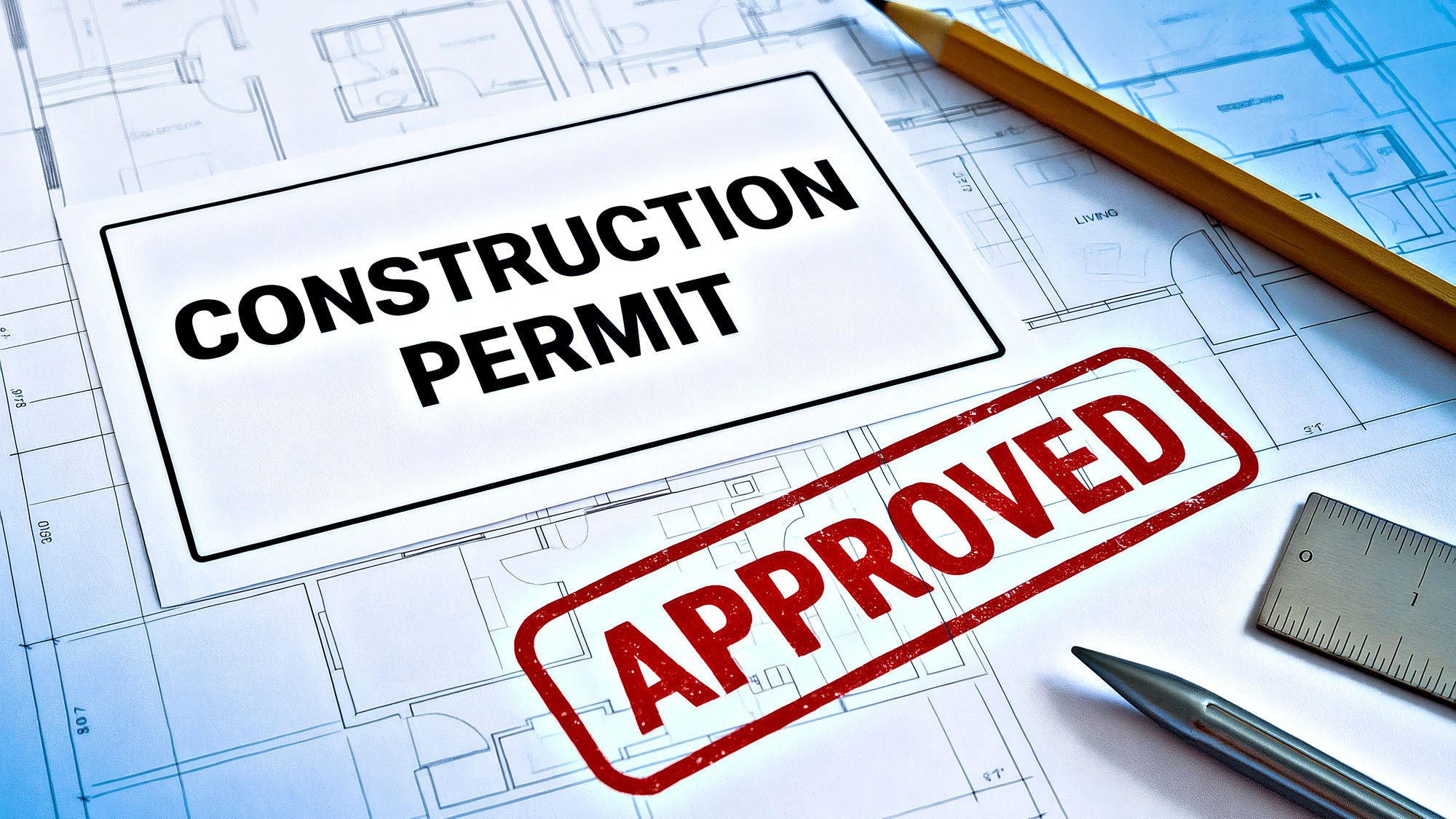
Structural Integrity Challenges
Common structural issues encountered in older buildings include weakened wood framing, shifts in the foundation, and decay of original materials that require careful assessment and intervention. Renovation teams often discover hidden damage during the process, necessitating thorough inspections and transparent communication with stakeholders. For instance, a renovation of an early 20th-century school might reveal significant termite damage that must be addressed before cosmetic work can proceed.
Additionally, the use of authentic materials and traditional craftsmanship is often required, which can demand skilled tradespeople with rare expertise. Renovators may need to reconstruct sections of the building using original techniques to maintain historical accuracy. For example, if the original wooden beams are deteriorated, sourcing similar aged wood and employing traditional joinery techniques is essential to preserve the building’s character.
UPPERAVENUE Construction Inc. has suppliers and others who can source both the materials and craftsmen to complete a heritage renovation both on budget and on time,
Project Management and Cost Considerations
Budget overruns are a common issue in heritage renovations, primarily due to unexpected structural problems and the complexity of preserving historical features. Careful planning and phased execution are crucial in managing timelines and costs effectively, preventing delays that could jeopardize project viability. For instance, a renovation project for a historic theatre may require initial phases focused on structural assessments before moving to aesthetic renovations, allowing for more accurate budgeting.
Collaboration among architects, engineers, tradespeople and UPPERAVENUE Construction Inc, is vital for successful project management and adherence to budget constraints. Utilizing historic tax credits can help offset costs, though they may limit available funds for initial site investigations. Timely communication with all stakeholders can mitigate misunderstandings and align the project with heritage goals, ensuring that each phase adheres to both budget and preservation standards.

Navigating Environmental and Safety Concerns
Environmental issues, such as moisture damage and pest infestations, complicate renovations without harming historical aspects. Compliance with modern safety standards necessitates updates that may conflict with preservation goals, requiring creative solutions designed with UPPERAVENUE Construction Inc. that satisfy both needs. For example, integrating modern fire safety systems into a historic theatre could involve discreetly installing alarms and sprinklers that do not disrupt the building’s aesthetics.
Specialized assessment techniques, such as 3D scanning and infrared imaging, can prevent damage during evaluations and help identify underlying problems. Regular maintenance and proactive repairs are essential for preserving the integrity and value of historic buildings, reducing the need for extensive renovations in the future. Innovative climate control solutions can be tailored to fit within historic structures, allowing for comfortable environments without compromising their original design.
Summary of Key Challenges in Heritage Renovation
Renovating heritage buildings in Toronto and area comes with unique challenges and opportunities that require careful consideration and planning. The importance of collaboration among stakeholders, adherence to regulations, and innovative solutions cannot be overstated for successful renovations. Community involvement is equally crucial in preserving cultural heritage through informed renovation practices, ensuring that these historical treasures continue to tell their stories for generations to come.
Do you own a heritage building that needs renovations? Contact UPPERAVENUE Construction Inc. to discuss some options, review the requirements, and ensure that the renovations will meet all of the steps required in a heritage renovation.