
The Evolution of Technology-Integrated Retail Spaces in the GTA
Explore the transformative impact of technology-integrated retail spaces in the Greater Toronto Area, enhancing customer experiences and driving innovation amidst a booming tech landscape with UPPERAVENUE Construction Inc.
Overview of Technology-Integrated Retail Spaces in the GTA
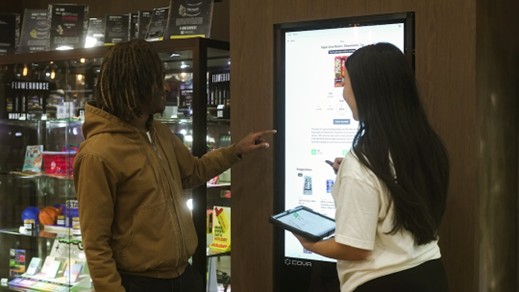
The Greater Toronto Area (GTA) has witnessed a significant rise in the integration of technology within retail spaces, reflecting the evolving demands of a tech-savvy consumer base. Retailers are increasingly adopting advanced technologies to enhance customer experiences and streamline operational efficiencies. As the GTA’s population is projected to exceed 10 million by 2046, the need for innovative retail solutions to cater to growing consumer expectations becomes even more pressing. In this context, technology does not merely serve as a tool but as a fundamental component shaping the future of retail landscapes.
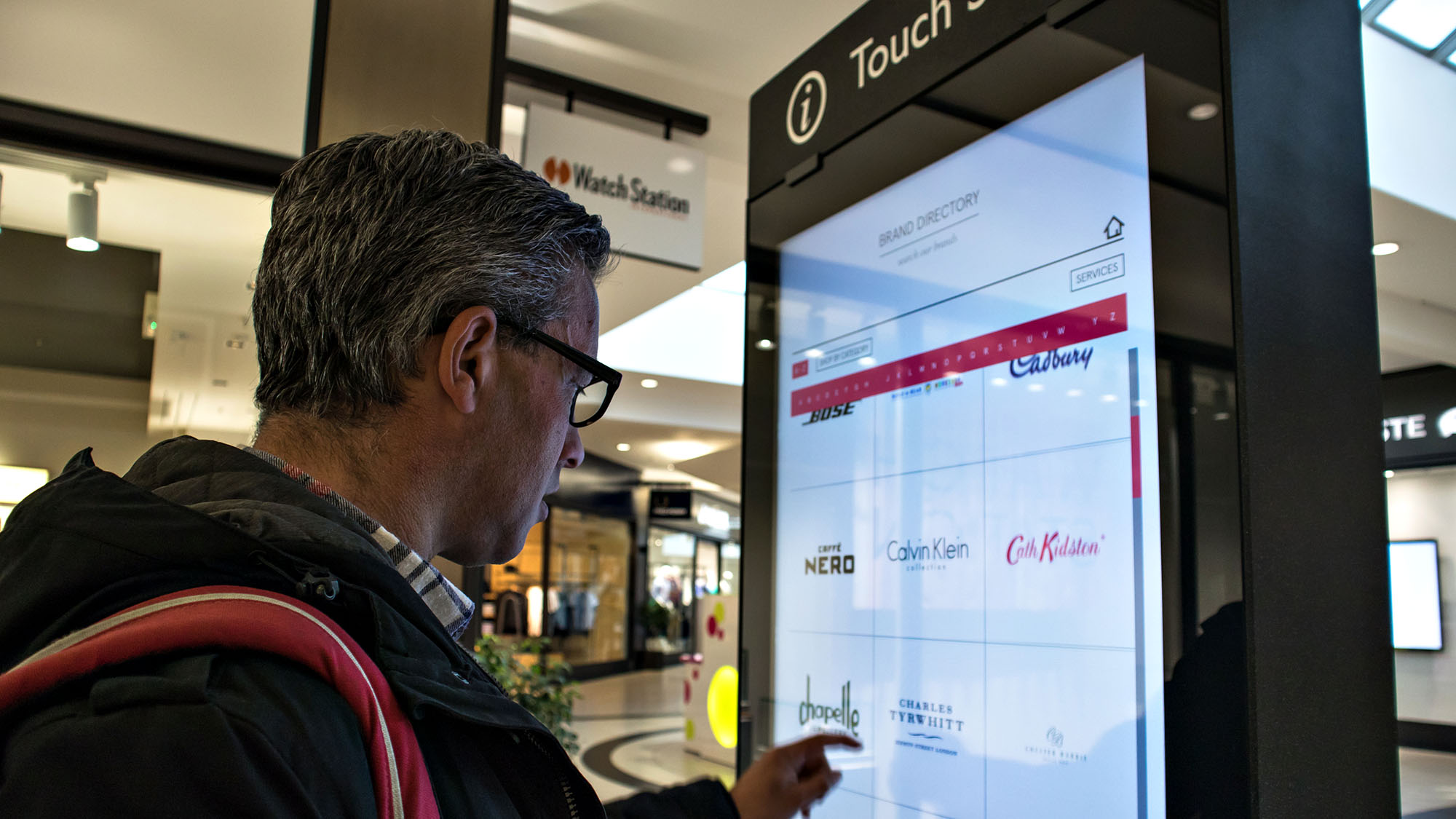
This transformation is evident in the way retailers are responding to the digital expectations of consumers. With many shoppers seeking seamless experiences that bridge online and offline channels, integration of technology has become a necessity rather than a luxury. The use of mobile apps, in-store digital displays, and omnichannel strategies is indicative of retailers adapting to meet the preferences of their customers.
The Growing Tech Landscape in the GTA
Toronto’s tech ecosystem has flourished, adding 88,900 tech jobs in 2021 alone, which outpaces the growth rates of major cities like New York and Seattle combined. This rapid expansion has positioned Toronto as North America’s fastest-growing tech hub, attracting global talent and major tech companies such as Microsoft, IBM, and Amazon. The influx of these firms not only boosts the local economy but also contributes significantly to retail innovation, as they often collaborate with local businesses to leverage new technologies.
The increase in tech jobs and the establishment of 273 AI firms within the city further solidify Toronto’s status as a leader in technology development. The supportive ecosystem, fostered by diverse talent and progressive immigration policies like the Global Talent Stream, enhances the city’s ability to evolve and adapt, thereby influencing retail strategies across the GTA. The synergy between the tech sector and retail industry is anticipated to foster an environment ripe for groundbreaking innovations.
Key Technologies Shaping Retail
A variety of technologies are currently shaping the retail landscape in the GTA, with augmented reality (AR) emerging as a standout feature. AR allows consumers to virtually try on clothes or visualise how furniture would look in their homes, enriching the shopping experience without the need for physical trials. This technology not only engages customers but also streamlines the decision-making process, leading to increased sales and customer satisfaction.
Artificial intelligence (AI) plays a crucial role in inventory management for retailers, particularly small businesses that may lack the resources for extensive logistics operations. By analysing sales data and predicting trends, AI helps retailers maintain optimal stock levels, thus reducing waste and enhancing profitability. Additionally, advancements in 5G technology facilitate faster data transmission, making it easier to integrate Internet of Things (IoT) devices that further enhance operational efficiency and customer engagement.
Innovations in Customer Experience
Retailers across the GTA are increasingly investing in technologies such as AR, virtual reality (VR), and AI to create cohesive omnichannel experiences. These innovations aim to merge digital and physical retail environments, improving customer interactions and satisfaction. For example, community-focused retail concepts are gaining traction, with areas like Liberty Village embracing “third spaces” that foster social engagement while providing shopping opportunities.
Moreover, experiential retail is becoming prevalent, where stores offer immersive shopping experiences that resonate with local culture and community identity. Retailers leverage data analytics to tailor marketing strategies, providing personalized promotions based on customer shopping behaviour, which enhances customer loyalty and engagement. This focus on customer experience is increasingly vital as retailers strive to differentiate themselves in a competitive market.
Impact of Transit Infrastructure on Retail
The ongoing developments in transit infrastructure throughout the GTA, including new subway lines and expansions of the GO Transit system, are set to significantly boost foot traffic in retail spaces. By improving accessibility, these initiatives allow retailers to attract a larger customer base, particularly in urban centres where high population density is prevalent. Retailers are strategically positioning their stores near transit hubs to capitalize on this increased foot traffic, making it more convenient for commuters to shop.
Furthermore, the growth of high-density, mixed-use housing developments is addressing the demand-supply imbalance in retail spaces, enhancing access to services and shopping. As more residents flock to urban areas, the increased accessibility is expected to elevate consumer spending, particularly in retail districts that are well-connected to transit networks.
Challenges and Considerations for Retailers
Despite the promising advancements in technology, retailers in the GTA face several challenges when integrating new systems into their stores. Affordability remains a pressing issue, as the demand for housing often outstrips supply, impacting retail opportunities and operational costs. Moreover, the implementation of new technologies requires substantial investments and comprehensive staff training to ensure effective utilisation and customer engagement.
Data privacy and governance also pose significant challenges, especially as retailers increasingly rely on AI for customer insights. Ensuring the security of consumer data is paramount, and retailers must navigate the fine line between leveraging data for enhanced experiences and maintaining customer trust. Additionally, the rapid pace of technological innovation can be daunting for smaller retailers, who may struggle to keep up with advancements due to limited resources and expertise.

Future Directions for Technology-Integrated Retail in the GTA
Looking ahead, the integration of sustainability into retail technology is poised to become a defining trend, as consumers increasingly prioritise environmentally friendly practices. Innovations in logistics, such as automated delivery systems and drones, are expected to transform the fulfillment process for retailers, further enhancing efficiency and customer satisfaction.
Furthermore, the exploration of virtual assistants and chatbots to improve customer service indicates a shift towards more interactive and responsive retail environments. Collaborations between tech startups and traditional retailers are also becoming more common, fostering innovation and the development of novel business models that cater to the unique characteristics of the Toronto market. As the retail landscape continues to evolve, embracing technology will be crucial for businesses aiming to thrive in an increasingly competitive environment.
If your retail or commercial space requires technology-related renovations in 2026, UPPERAVENUE Construction Inc. can assist you by scheduling an on-site visit to assess your specific needs. If you are considering updating your older home, we are also available to evaluate its potential for renovation. Please call or e-mail us to discuss your options, budget, and design preferences. We look forward to helping you achieve your goals.